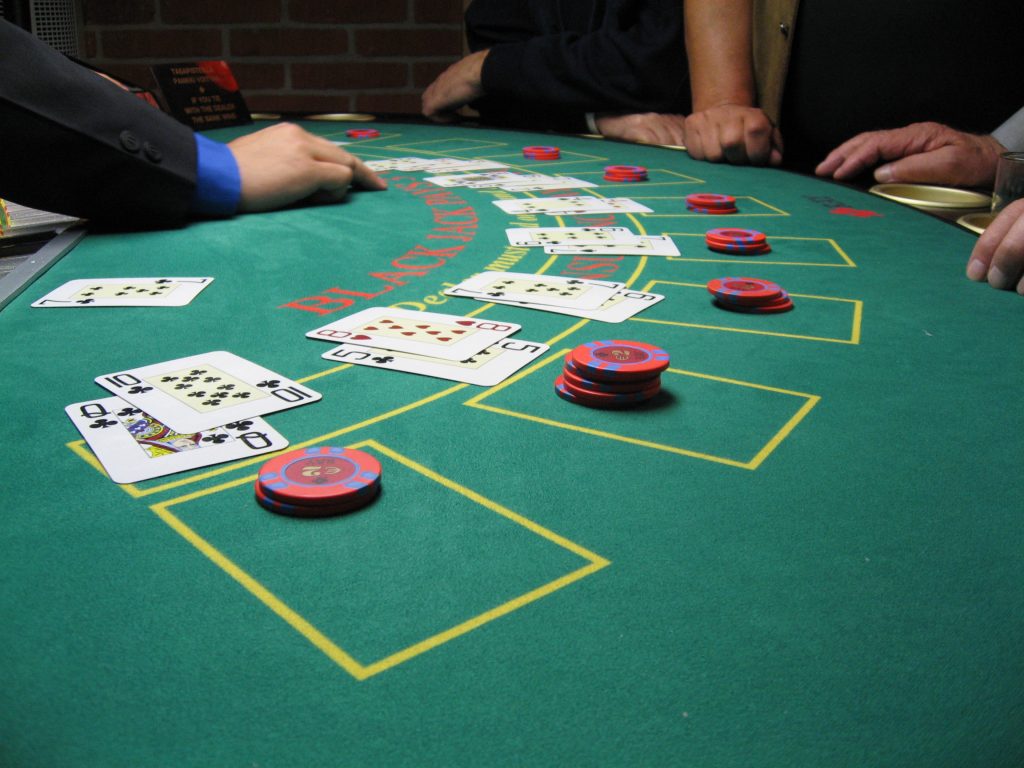
I’ve always thought the most successful players are the ones who recognize their own behaviour. When I looked into 770 Casino free online slots, I discovered much more than a glitzy lobby and a generous welcome – it’s a laboratory for studying how, when, and why I play. This article is my way of getting to know my gaming habits, using the platform as a private testing ground. I’ll guide you through the tools, data, and self-reflection exercises that turned my casual spinning into conscious, regulated entertainment that fits naturally into my daily life. This journey isn’t about constraint; it’s about empowerment, making every session a data-rich experience that puts fun first.
Spotting Early Warning Signs: A Self-Reflection Journey
No one gets up and decides to form an unhealthy relationship with gambling. It slips in quietly, disguised as a bit of extra fun. My journey at 770 Casino helped me to identify subtle warning signs before they turn into serious. The first red flag I observed was an increasing preoccupation with my balance during non-gaming hours. I discovered myself mentally figuring my next deposit or rethinking a bad beat while trying to work. That mental intrusion was a clear signal the boundary between entertainment and obsession was dissolving. Spotting it early let me to step back and reset immediately.
Another sign I monitor is my emotional response to losses. A healthy reaction is mild disappointment that dissipates quickly; an unhealthy one is a burning urge to immediately deposit and win it back, paired with irritation that spills into real life. At 770 Casino, I use the reality check pop-ups as a conscious checkpoint. When a pop-up pops up, I ask myself: “Am I still having fun, or am I trying to fix something?” If the answer is the latter, I log out. This simple internal audit, prompted by the platform’s tools, evolved into a cornerstone of my self-care routine.
The warning signs I now track carefully include:
- Repeatedly thinking about my balance or the next session outside of playtime.
- Feeling irritable or restless after a loss that persists for hours.
- Employing justifications like “I deserve this” or “I’m due a win” after a tough day.
- Ignoring preset time or deposit limits because the streak feels special.
I also closely monitor my justifications. When I catch myself saying I “deserved” a session because of a hard day or that I was “due” a win after losses, I know I’m falling into cognitive distortions. Gambling does not operate on cosmic justice, and 770 Casino’s random number generators owe me nothing. Maintaining a log of my pre-session thoughts helped me identify these flawed narratives. Now I only play when my primary motivation is entertainment, not emotional repair. That mental clarity makes every session lighter, more joyful, and entirely free of the heavy baggage that used to come with my play.
The Checklist I Use Before Every Session
To keep myself accountable, I go through a quick pre-flight checklist before logging into 770 Casino. It takes sixty seconds and has shielded me from countless regrettable sessions.
- Verify my mood is neutral or upbeat, not overwhelmed or irritated.
- Set a definite time limit on my phone and follow it.
- Decide on a hard deposit amount and do not surpass it.
- Tell myself that the main goal is enjoyment, not income.
- Check that no essential responsibilities are being ignored.
Building a Healthier Connection with Online Casino Play
All the tracking, limit-setting, and self-assessment counts for nothing if it doesn’t result in a more balanced relationship with the activity. For me, that relationship is characterized by balance, transparency, and joy. At 770 Casino, I’ve developed a routine that fits play into my life without letting it dominate. I view my casino time like a night at the cinema: a budgeted outing that finishes when the credits roll. This perspective removes the desperate energy and replaces it with a easygoing approach. Success is no longer determined by my closing balance but by the quality of the entertainment I received.
Part of developing this better relationship meant expanding my leisure. When 770 Casino was my only source of evening excitement, the stakes appeared artificially high. I now make sure my week includes reading, hiking, and cooking – hobbies that bring equal satisfaction. This variety functions as a natural regulator. If I ever feel a strong pull toward the casino, I see it as a sign my life is out of balance, not a cue to play more. The platform remains a vibrant destination, but it’s one of many, and that perspective has been freeing.

I also enjoy the social features, especially in the live dealer section. Connecting with real dealers and fellow players turns a potentially isolating activity into a shared human experience. I play more responsibly when I’m part of a community, even a virtual one. The chat box maintains my awareness, and the camaraderie counters tunnel vision. Building a healthier relationship isn’t about harsh rules; it’s about creating an internal and external environment where positive habits flourish naturally and darker impulses find no fertile ground.
My Unbreakable Principles for Sustainable Play
After months of experimentation at 770 Casino, I’ve refined my learnings into a set of non-negotiable rules that enhance my enjoyment without feeling restrictive.
- Only use disposable income that is specifically budgeted for entertainment.
- Embrace losses as the cost of the experience and never attempt to recover them immediately.
- Schedule a mandatory ten-minute break after every sixty minutes of continuous play.
- Keep completely sober during all gaming sessions to maintain clear decision-making.
- Perform a brief post-session review to pinpoint one positive takeaway or area for improvement.
How I Utilize the Reality Check Feature
The reality check tool at 770 Casino is often overlooked, but I consider it one of the most valuable features on the platform. I have it set to notify me every thirty minutes. When that pop-up appears, it’s not an interruption; it’s an invitation to reconnect with my intentions. I use those few seconds to glance at my balance, assess my emotional state, and decide whether I want to continue. More often than not, I do, but the conscious act of choosing makes all the difference. It transforms passive, automatic play into active, deliberate engagement. I urge every player to configure this feature immediately and treat it as a useful co-pilot, not a nuisance.
Celebrating Wins Free from the Danger of Overconfidence
Victory at 770 Casino is a thrilling feeling, but it holds its own pitfalls. A big win can inflate my confidence, convincing me I’ve cracked some secret code. My data shows my most impulsive sessions often came after significant wins, where I increased stakes under the illusion of playing with “house money.” Now, when I achieve a nice win, I immediately withdraw a portion and stick to my usual bet sizes. I celebrate the victory, but I decline to let it rewrite my carefully built rules. This discipline ensures a lucky streak remains a source of pleasure rather than the prelude to a painful reversal.
The reasons Understanding Your Gaming Habits Plays a Role at 770 Casino
For years I treated online casino sessions as escapism, logging in, spinning, and logging out. That changed when I started viewing 770 Casino as a space for intentional recreation. Understanding my habits became the most effective step toward sustainable enjoyment. Without awareness, it’s easy to fall into patterns that deplete your bankroll or chase losses under the illusion of an impending win. By shining a light on my behaviour, I discovered triggers – playing longer after a stressful day or raising stakes when a favourite slot launches a new bonus feature. This self-knowledge converted vague feelings into clear patterns I could manage.
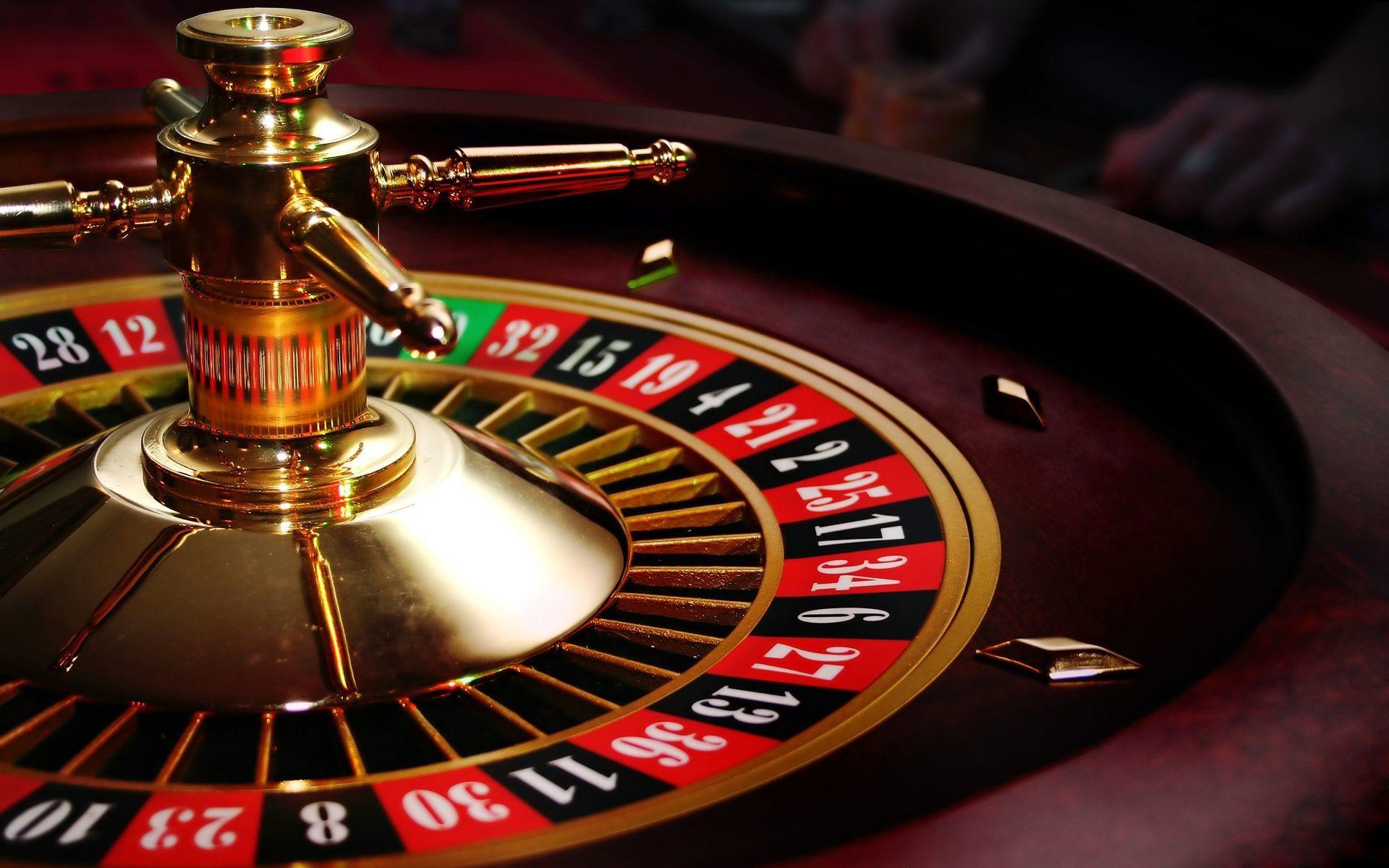
At 770 Casino, the variety of games means every player’s journey is unique. My habits on live roulette differ significantly from those on high-volatility slots. I’m more controlled at table games, setting clear session budgets, whereas slots tempt me into “just one more spin” mode. Recognising these distinctions lets me tailor my approach per game category. The platform’s detailed account history acts as a mirror, reflecting patterns I could no longer ignore. This self-knowledge isn’t about restriction; it’s about empowerment, allowing me to plan sessions that I enjoy without the guilt of overspending.
I also realised my gaming habits tie directly to my mood and energy. Late-night sessions, when I’m tired, often lead to impulsive moves I’d never make during a focused afternoon play. By tracking my login times at 770 Casino, I built a personal profile that helps me pick the best windows for play. The aim isn’t to kill spontaneity but to channel it inside a frame where I stay in charge. This shift converted every session into a data-gathering exercise, and the more I understood my patterns, the more I appreciated the entertainment without the emotional rollercoaster.
Monitoring Your Activity: The Methods I Use at 770 Casino
When I resolved to get disciplined, I used the built-in account tools. The transaction history and game logs are absolute goldmines. Every Sunday evening I examine my deposits, withdrawals, and the games I engaged in. This simple practice converted vague sensations of overspending into concrete figures I could analyse. I could see exactly which slots offered the most entertainment per pound and which ones burned through my balance without a single unforgettable moment. Focusing on data eliminated illusions and gave me a factual foundation to fine-tune my future play.
Beyond the casino’s own records, I keep a quick digital log. I record my starting balance, mood, time of day, and a post-session satisfaction assessment. It takes under two minutes, yet the insights have been eye-opening. I detected a direct connection between post-gym play and more measured decisions at the blackjack tables, while playing after a heavy meal led to slow, bored clicking on slots. Combining objective data from 770 Casino with my subjective notes built a 360-degree picture of my gaming character that no algorithm could replicate.
I also set a timer on my mobile before starting any game. I determine how long I intend to play, establish a countdown, and when it buzzes I take a mandatory five-minute break. This simple measure revealed how quickly I lose track of time in a gripping bonus round. The timer functions as a gentle nudge, allowing me consciously select whether to persist or call it a day. Together with the platform’s internal history, these outside nudges maintain my play honest and firmly inside my comfort zone.
Employing the Game History to Spot Trends
I downloaded my play data from 770 Casino and categorised sessions by game type, average bet size, and outcome. The patterns were notable. I was consistently more content – and often more lucrative – during live dealer sessions where I interacted with the human element. My solo slot marathons, especially on progressive jackpots, frequently ended with a sense of emptiness even after a decent win. This trend analysis helped me redistribute my time toward the experiences that enriched my leisure hours rather than those that just consumed the time.
The Value of a Simple Spreadsheet
I developed a simple tracker with fields for date, game, deposit, withdrawal, duration, and a fun score out of ten. After a month of logging every 770 Casino session, I had a visual map of my entertainment spending. The highest fun scores grouped around smaller deposits and relaxed, low-stakes table play. The lowest scores came from rash, high-deposit slot sessions late at night. That solid, hard data was the catalyst for a full overhaul of how I plan my casino time, and I’ve never looked back.
Game Preferences and Session Lengths: What My Data Reveals
Exploring my preferences at 770 Casino felt like reading a personality report I never knew existed. I always considered myself a slots enthusiast, but the numbers revealed something else. While I started slot games more often, my session lengths on live blackjack were three times longer and my satisfaction ratings significantly higher. This disconnect between my assumed persona and actual behaviour was fascinating. I was falling back on slots out of habit, but my deepest engagement was at the strategic, social rhythm of live dealer tables. Accepting this truth enabled me to shift my time toward what I actually enjoyed.
Session length analysis turned into my secret weapon for bankroll management. I observed my optimal slot session maxes out around forty-five minutes; beyond that, concentration declines and bet sizing gets erratic. For live roulette, I can comfortably play up to ninety minutes without a drop in decision quality, given that I take short breaks. Following these personal limits erased the drained, zombie-like state I used to fall into. Now I plan my evenings with a clear beginning, middle, and end, viewing each session as a complete entertainment unit rather than an open-ended gamble.
I also discovered a hidden preference for medium-volatility games. Despite the adrenaline of high-volatility blockbusters, my win rate and enjoyment topped out on balanced titles that delivered a steady stream of smaller payouts. At 770 Casino, those games sustained a positive feedback loop where I felt rewarded without extreme swings triggering anxiety. This insight changed my selection process. Instead of chasing the loudest new release, I now filter by volatility rating and my own historical performance data, developing a curated playlist that fits my temperament.
The Role of Bonuses and Promotions in Shaping Habits
Bonuses are the glittering storefront of any online casino, and 770 Casino is no exception. I used to be a sucker for a big match bonus, adding above my comfort zone just to claim the maximum offer. My habit tracker revealed the ugly truth: bonus-chasing was my number one trigger for overspending. Wagering requirements I skimmed over often locked me into play patterns that didn’t suit my style. I was grinding through low-RTP slots just to clear a bonus, trading enjoyment for the vague promise of unlocking a withdrawal. Identifying this pattern was a bitter but necessary pill.
Now I judge every bonus through the lens of alignment with my established habits. I ask myself: does this offer prompt me to play games I actually like, or does it push me toward high-wagering slots I’d normally avoid? Does the time limit create urgency that will disrupt my session boundaries? At 770 Casino, I’ve found that loyalty rewards and cashback offers suit my style far better than flashy re-deposit bonuses. These ongoing perks reward my natural play without demanding behavioural contortions. I treat bonuses as a pleasant addition to a session I would have played anyway, never as the reason to play.
I also tracked the net outcome of every bonus I claimed. The results were sobering. While a few generated tidy profits, the majority ended with me losing my deposit and the bonus funds after hours of clearing wagering. The opportunity cost, measured against my fun scores, simply wasn’t worth it. This analysis led me to adopt a bonus-lite approach, selectively opting into promotions with low wagering and no game restrictions. My enjoyment has skyrocketed, and my bankroll lasts significantly longer. Understanding how bonuses shape your habits isn’t about rejecting free money; it’s about making sure the tail never wags the dog.
Setting Deposit and Loss Limits: A Personal Experiment
I previously consider deposit limits as a sign of weakness. That arrogance cost me a few uncomfortable mornings. When I finally embraced the responsible gaming tools at 770 Casino, my entire relationship with the platform changed. I initiated with a modest weekly deposit limit that matched my entertainment budget, not my ambition. The first week seemed restrictive, but by the second, I began treating that limit as a resource to be managed. My decision-making sharpened because every spin and every hand held more weight. I was no longer playing with an infinite mental overdraft.
The loss limit feature became an even more powerful ally. I set a daily loss threshold that would lock me out until the next day. The first time I reached it, frustration rose but subsided within minutes. Instead of chasing, I walked away, made tea, and contemplated. That forced pause stopped the tilt cycle that had plagued my earlier play. Over time I fine-tuned the limits using my spreadsheet data, locating a sweet spot that safeguarded my bankroll without feeling punitive. Self-imposed boundaries, I realized, are not handcuffs – they are the guardrails that ensure the experience enjoyable.
What astonished me most was how these limits amplified the thrill. Knowing my session had a hard stop if things went south allowed me to enjoy wins without the subconscious fear of giving it all back. I savored small victories, knowing the money in my account was real, withdrawable, and protected. This psychological shift from scarcity to abundance, within a controlled framework, altered my outlook. I now advise every player run a similar month-long experiment. The data you gather about your own resistance and adaptation will instruct you more than any strategy guide ever could.